
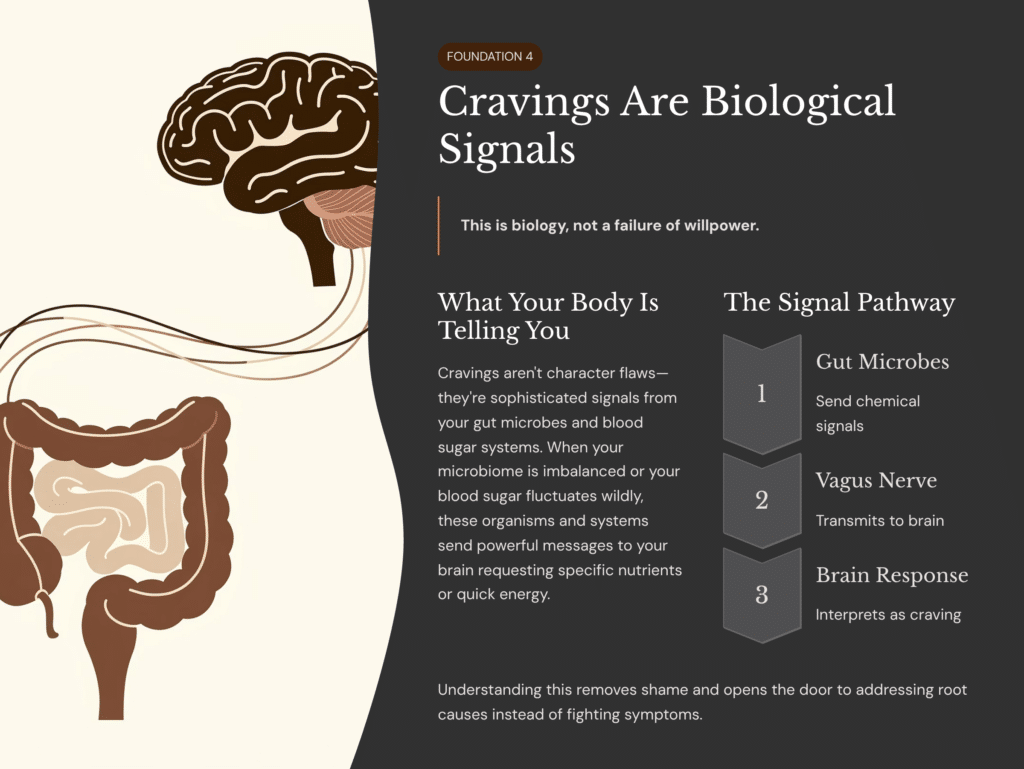
When we talk about healing the gut, improving stress resilience, and restoring metabolic balance, we’re not just talking about food.
We’re talking about communication.
At the center of that communication network sits one of the most important—and often overlooked—structures in the human body: the vagus nerve.
In the Live Clean framework, the vagus nerve is a foundational player. It links the gut, the brain, the immune system, and the autonomic nervous system into a single, coordinated conversation. When it’s functioning well, digestion flows, inflammation quiets, and the body shifts naturally into repair. When it’s impaired, everything downstream struggles.
Let’s unpack why this matters so deeply for healing.
What Is the Vagus Nerve?
The vagus nerve is the longest cranial nerve in the body, traveling from the brainstem down through the neck, heart, lungs, stomach, intestines, and into the colon.
Its name comes from the Latin word vagus, meaning “wandering”—an apt description, because it touches nearly every organ involved in digestion, immunity, and emotional regulation.
Most importantly, the vagus nerve is the primary nerve of the parasympathetic nervous system (PSN)—the branch of the autonomic nervous system responsible for:
- Rest
- Digestion
- Repair
- Immune regulation
- Emotional stability
In other words, the vagus nerve is how the body knows it is safe enough to heal.
The Gut–Brain Axis: A Two-Way Conversation
We often think of the brain as being “in charge,” but in truth, communication between the gut and brain is bidirectional.
In fact, roughly 80% of vagal nerve fibers carry information from the gut to the brain—not the other way around.
That means:
- The gut constantly reports on digestion, inflammation, microbial balance, and immune activity
- The brain uses that information to decide whether to stay calm or activate stress responses
This is the Gut–Brain Axis, and the vagus nerve is the main highway.
When the gut is inflamed, stagnant, or dysregulated, the brain receives danger signals. When the gut is moving rhythmically and digesting efficiently, the brain receives safety signals.
Why the Vagus Nerve Matters for Digestion
Digestion is not just a chemical process—it’s a neurological one.
A healthy vagus nerve supports:
1. North-to-South Digestive Flow
In Live Clean, we emphasize directionality in digestion.
Healthy digestion moves from north to south:
- Brain → stomach → small intestine → colon → elimination
Vagal signaling coordinates this movement, ensuring:
- Timely stomach acid release
- Enzyme and bile secretion
- Coordinated peristalsis (the sweeping, wave-like motion of the bowel)
When vagal tone is low, digestion loses rhythm. Food stagnates, fermentation increases, and symptoms like bloating, constipation, reflux, and SIBO emerge.
2. The Sweeping Motion of the Bowel
The migrating motor complex—the system that “cleans house” between meals—is strongly influenced by parasympathetic signaling.
A strong vagus nerve supports:
- Regular bowel movements
- Complete evacuation
- Reduced gas and bloating
- Lower endotoxin burden
This is one reason why simply changing food without addressing nervous system tone often falls short.
The Vagus Nerve and the Immune System
The gut is home to the majority of the immune system, and the vagus nerve acts as a volume dial for inflammation.
Through what’s known as the cholinergic anti-inflammatory pathway, vagal signaling can:
- Suppress excessive inflammatory cytokines
- Calm immune overactivation
- Improve immune tolerance
In Live Clean, this is critical for clients dealing with:
- Autoimmune conditions
- MCAS and histamine reactivity
- Chronic gut inflammation
- Long-standing immune dysregulation
A calm nervous system creates a calm immune system.
Stress, Safety, and Parasympathetic Dominance
Chronic stress shifts the body into sympathetic dominance—fight, flight, and survival mode.
In that state:
- Blood flow is diverted away from the gut
- Digestion slows or stops
- Immune regulation becomes erratic
- Healing is deprioritized
Strengthening the vagus nerve helps restore parasympathetic dominance, where the body can finally exhale and repair.
This is why Live Clean does not rush the process. We build safety first—biologically and neurologically.
What Is Vagal Tone?
“Vagal tone” refers to how responsive and resilient the vagus nerve is.
High vagal tone is associated with:
- Emotional resilience
- Better digestion
- Lower inflammation
- Stable heart rate variability
- Faster recovery from stress
Low vagal tone is associated with:
- Anxiety and overwhelm
- Gut motility issues
- Chronic inflammation
- Poor stress recovery
The good news? Vagal tone is trainable.
Vagal Toning Practices We Use in Live Clean
These are not trendy hacks—they are physiological inputs that retrain the nervous system over time.
1. Slow, Nasal Breathing
Extended exhales stimulate vagal activity.
- Inhale through the nose for 4 seconds
- Exhale slowly for 6–8 seconds
- Practice before meals to prime digestion
2. Gargling, Humming, and Singing
The vagus nerve innervates the throat and vocal cords.
- Humming or chanting stimulates vagal pathways
- Singing activates breath, rhythm, and emotional regulation
This is why sound has been used in healing traditions for centuries.
3. Cold Exposure (Gentle, Not Extreme)
Cool water on the face or neck stimulates vagal reflexes.
- Splash cool water on the face
- End showers with 10–30 seconds of cool water
Consistency matters more than intensity.
4. Eating in a Regulated State
This is foundational in Live Clean.
- Sit down
- Slow the pace
- Chew thoroughly
- Avoid screens and urgency
Food is information. The nervous system must be receptive to receive it.
5. Rhythm, Routine, and Predictability
The nervous system thrives on rhythm.
- Consistent meal timing
- Predictable sleep routines
- Gentle daily movement
These create safety signals that strengthen vagal tone over time.
Why This Matters in Live Clean
Live Clean is not just about removing inflammatory inputs—it’s about restoring communication.
When we:
- Regenerate the gut lining
- Reduce immune noise
- Enable parasympathetic dominance
- Restore north-to-south digestive flow
…we are fundamentally strengthening the vagus nerve, even when we’re not talking about it directly.
This is why healing feels different here. We’re not forcing outcomes—we’re rebuilding the systems that create them.
The Takeaway
The vagus nerve is not a small detail.
It is the bridge between digestion, immunity, mood, and resilience.
When it’s supported, the body remembers how to heal.
When it’s ignored, even the best nutrition plan struggles to land.
This is why Live Clean begins where true healing begins—not with restriction, but with regulation.


