
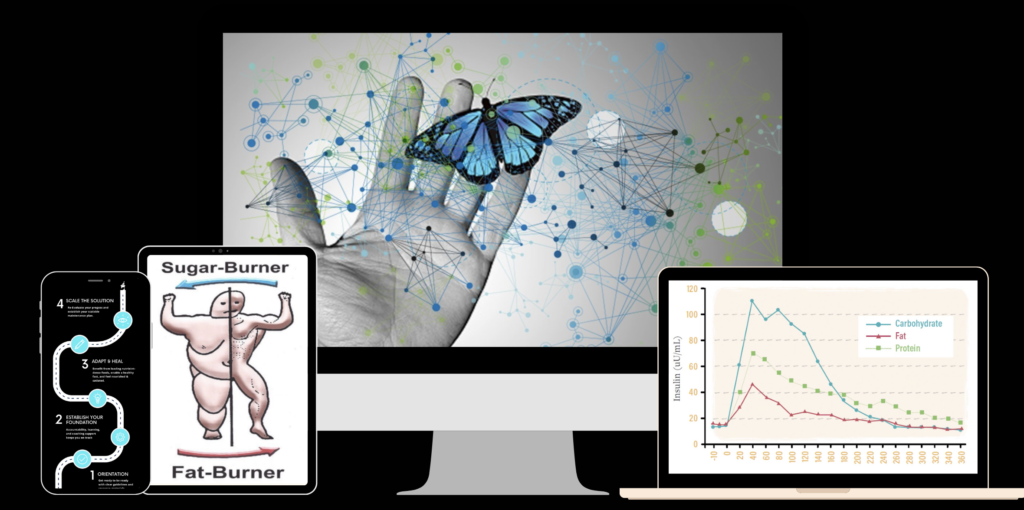
The primary reason it’s important to burn fat rather than sugar is that excess sugar consumption leads to serious health problems, including diabetes, heart disease, obesity, and inflammation. Relying on sugar (glucose) as your body’s main fuel can set off a cascade of metabolic issues that have long-term consequences on your overall health.
The Impact of Too Much Sugar
When we consume carbohydrates, our bodies convert them into glucose, which is then transported by insulin into our cells for energy. In a healthy person, this process works smoothly. But when we consume too much glucose over a prolonged period, our cells may stop responding to insulin, a condition known as insulin resistance.
Insulin Resistance: The Start of a Downward Spiral
When our cells become insulin-resistant, they no longer allow glucose to enter, causing blood sugar levels to remain elevated. This leads to a range of health issues:
- Elevated blood sugar increases the risk of type 2 diabetes.
- Excess glucose in the bloodstream damages blood vessels by causing glycation, where glucose binds to proteins and fats, creating harmful compounds called advanced glycation end-products (AGEs).
- Glycation promotes inflammation and contributes to the buildup of plaque in arteries, raising the risk of heart disease.
- High blood sugar also raises triglyceride levels, further increasing the chances of coronary artery disease.
The Vicious Cycle of High Insulin Levels
When cells become resistant to insulin, the body compensates by producing even more insulin in an attempt to lower blood sugar. Unfortunately, this only makes things worse:
- Excess insulin is toxic to the body at high levels. It damages cells, promotes the growth of cancer, and contributes to atherosclerosis (the buildup of plaque in the arteries), increasing the risk of heart disease and stroke.
The Long-Term Effects of Sugar Overload
After years of consuming high-carb diets, such as cereal and skim milk for breakfast, our cells become so damaged that insulin resistance worsens. It reaches a point where not only is glucose blocked from entering cells, but the absorption of amino acids (the building blocks of protein) is also impaired. This leads to a double-edged sword:
- You can’t effectively use glucose for energy.
- You can’t properly absorb amino acids to build muscle.
As a result, your body faces a fuel crisis—it struggles to burn either sugar or fat efficiently, leaving you prone to weight gain, fatigue, and an array of metabolic disorders.
The Solution: Switching to Fat as Fuel
By transitioning to a ketogenic diet, you switch your body’s primary fuel source from sugar to fat. This helps prevent the harmful effects of excess glucose and insulin, promoting a healthier metabolism, lowering inflammation, and reducing the risk of chronic diseases. Fat is a cleaner, more efficient source of fuel that supports your body’s long-term health by avoiding the damaging consequences of a sugar-dominated diet.
In summary, burning fat instead of sugar isn’t just about weight loss—it’s about protecting your body from the long-term damage caused by insulin resistance, inflammation, and chronic illness. By embracing fat as your primary energy source, you’re taking a major step toward optimal health and longevity.


